x

Traditional vs. Digital Signage: Which Is Right for You?

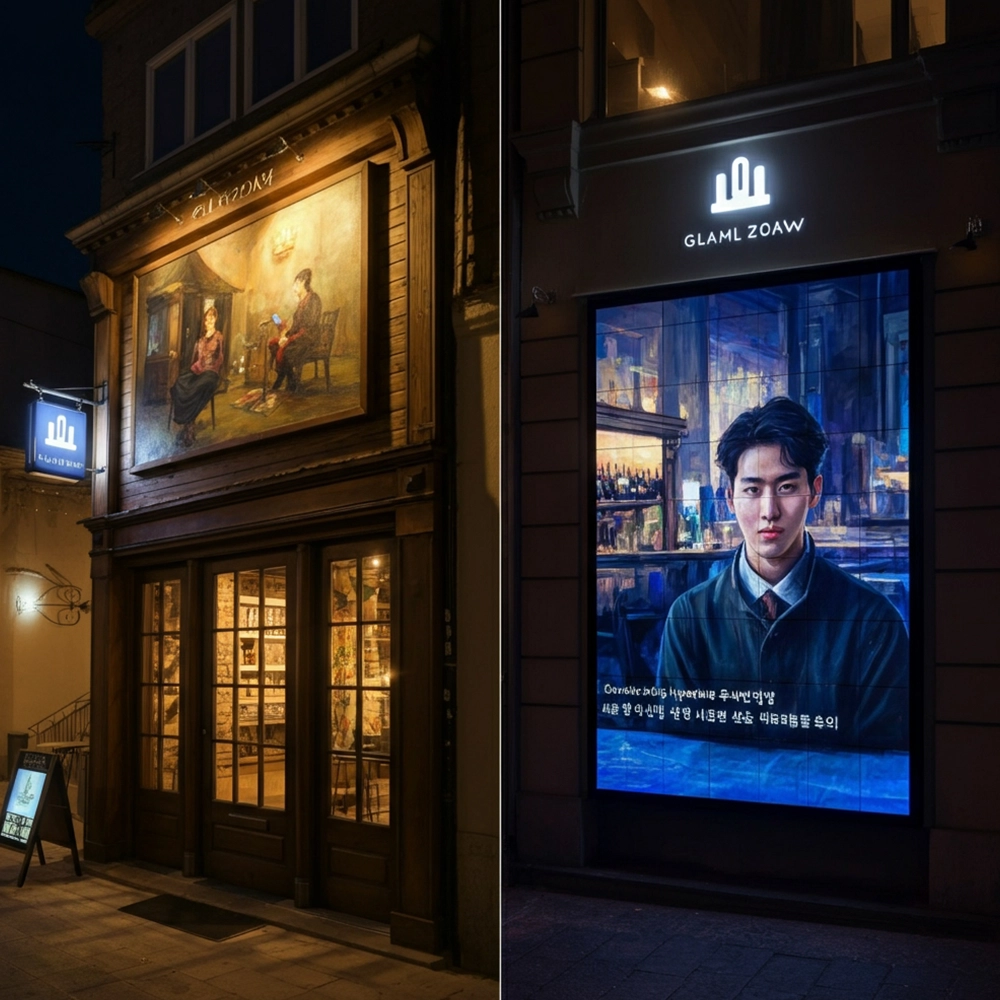
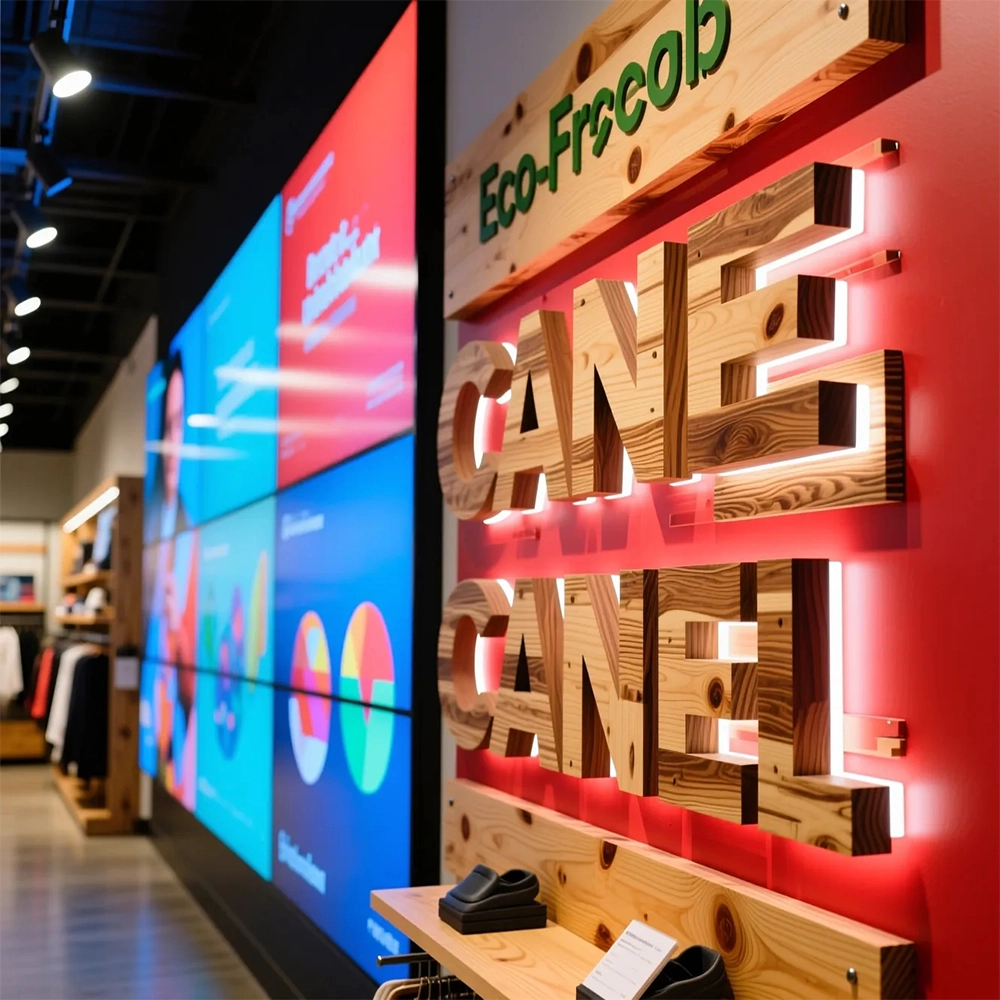
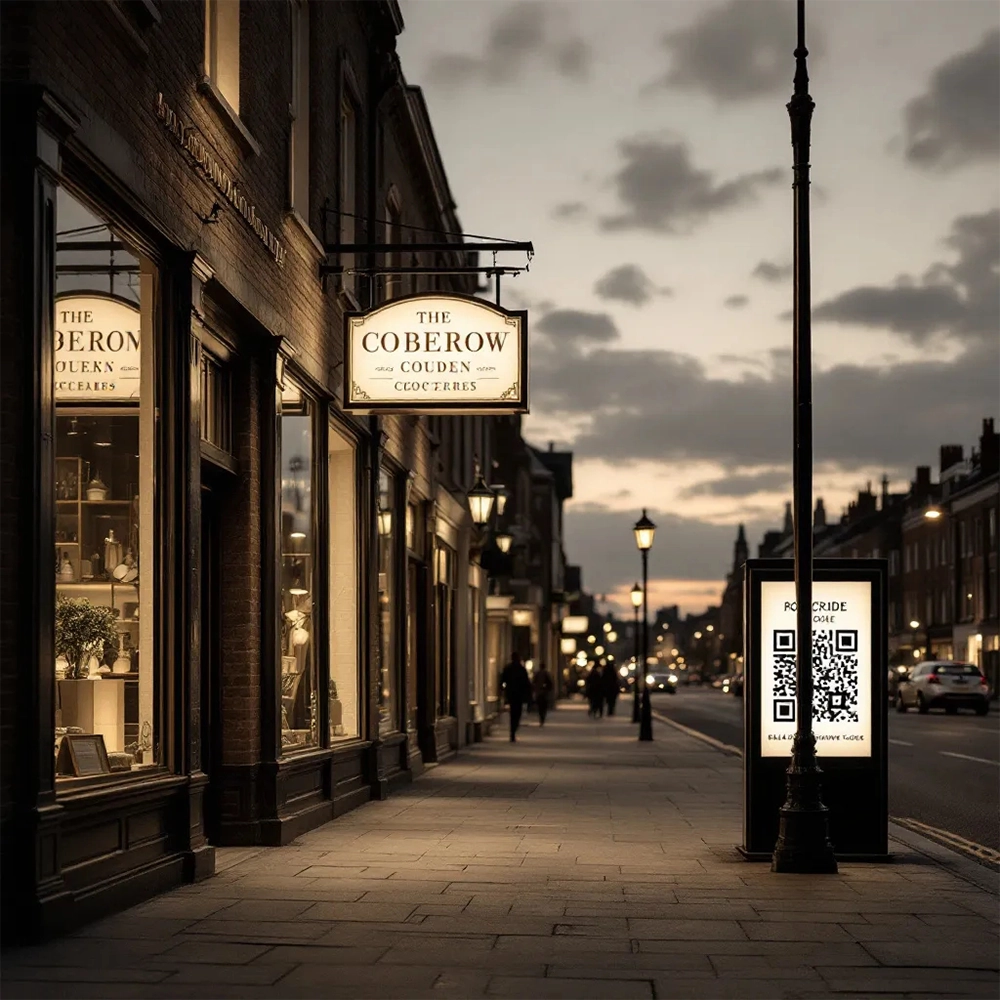
Choosing between traditional and digital signage is one of the most important branding decisions a business can make. Each option offers unique strengths and challenges. “When design and light meet purpose, signage becomes living architecture.” Traditional signage, think channel letters, carved wood panels, and printed boards—delivers timeless appeal and minimal maintenance. It’s ideal for permanent branding, heritage locations, or areas where power access is limited. Its reliability and one-time cost make it a favorite for long-term installations. Digital signage, by contrast, thrives on flexibility and impact. LED video walls and interactive displays can update content instantly, run motion graphics, and even integrate live data or social feeds. The trade-off is a higher initial investment and ongoing software management. For many brands, the sweet spot is a hybrid approach: pairing a bold, static logo sign for identity with an adjacent digital screen for promotions and real-time updates. This combination captures attention, accommodates frequent content changes, and ensures long-term brand consistency. Key Takeaways
Top 10 Signage Design Trends for 2025

Signage is no longer just a way to display a name—it’s a storytelling tool that shapes the customer experience. As we move through 2025, businesses are rethinking how their signs look, feel, and even interact with audiences. “Every sign is a conversation starter make sure it speaks your brand’s language.” One major trend is interactive digital signage. Touch-enabled screens and motion-sensor displays invite people to explore menus, directories, and promotions, turning a simple sign into an engaging encounter. Equally strong is the shift toward sustainable materials and energy-efficient lighting. Recycled substrates, solar-powered LEDs, and biodegradable finishes aren’t just eco-friendly; they send a clear message about a brand’s values. Personalization and bold design are also on the rise. Companies are experimenting with custom shapes, distinctive typography, and layered textures that give signage a unique, high-end feel. Minimalist layouts with striking fonts remain popular, ensuring messages stay legible while looking fresh. And finally, hybrid solutions—combining permanent static elements with dynamic screens—let businesses update content instantly without losing a classic aesthetic. Key Takeaways

Why Outdoor Signage Is as Important as Your Website

Signage is no longer just a way to display a name—it’s a storytelling tool that shapes the customer experience. As we move through 2025, businesses are rethinking how their signs look, feel, and even interact with audiences. “Every sign is a conversation starter make sure it speaks your brand’s language.” One major trend is interactive digital signage. Touch-enabled screens and motion-sensor displays invite people to explore menus, directories, and promotions, turning a simple sign into an engaging encounter. Equally strong is the shift toward sustainable materials and energy-efficient lighting. Recycled substrates, solar-powered LEDs, and biodegradable finishes aren’t just eco-friendly; they send a clear message about a brand’s values. Personalization and bold design are also on the rise. Companies are experimenting with custom shapes, distinctive typography, and layered textures that give signage a unique, high-end feel. Minimalist layouts with striking fonts remain popular, ensuring messages stay legible while looking fresh. And finally, hybrid solutions—combining permanent static elements with dynamic screens—let businesses update content instantly without losing a classic aesthetic. Key Takeaways